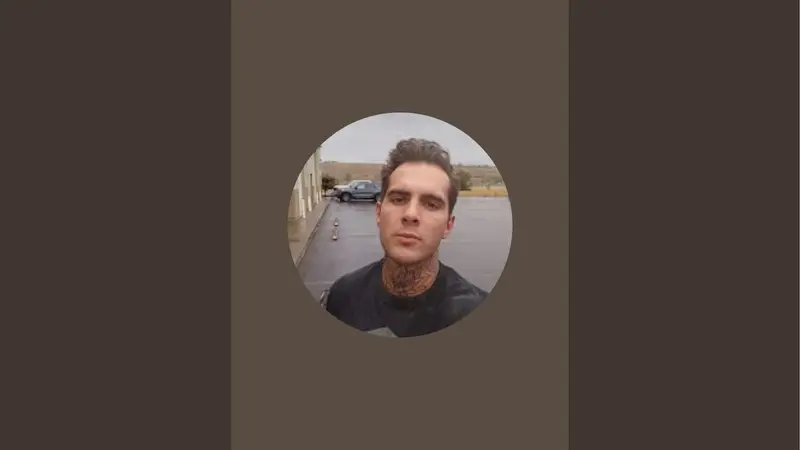
Wyatt remembers being certain that getting his neck tattoo was right. In this September 7 livestream, he describes reaching the opposite conclusion and deciding never to finish it. The ink remained after his change of mind. He uses that experience while discussing how difficult it can be to admit a mistake.
An appearance built to carry value
At 2:32, a compliment about his tattoos leads Wyatt into a personal reflection. He says his decisions about ink were connected with wanting to look impressive. Even tattoos with Christian language could serve that desire. He wanted other people to recognize a particular kind of person when they saw him.
Wyatt is looking back at his own motives: wanting an appearance to supply worth he did not yet feel he possessed. Turn that question inward. What do you hope people will see when they look at you, and how much does their recognition matter?
A belief can begin carrying the same burden. Perhaps being the person with the answer earns us attention. Perhaps a public commitment makes us feel established. Once an idea becomes evidence that we matter, questioning it can feel like questioning our value. Wyatt’s opening reflection helps explain why later correction becomes so difficult.
For personal reflection, finish this sentence privately: “If I changed my position, I am afraid people would think I am…” The answer may reveal a concern about respect, competence, or belonging that needs attention alongside the disputed idea.
The mistake survives the change of mind
Much later, at 1:07:18, Wyatt returns to the neck tattoo. He describes having understood it as something Jesus wanted, within experiences he now describes as spiritual deception. After the change he credits to Jesus, he says he had to admit that his certainty was misplaced. The piece was supposed to receive more work, but he says he will never finish it.
He says Jesus changed his understanding after the tattoo work had begun. His new judgment could prevent him from completing the piece, but it could not remove the ink already there. He had to acknowledge a decision whose effects were still visible.
Admitting a choice was wrong may begin today while repair continues tomorrow. You can stop defending the decision and still need time to deal with its effects. Name the work left to do. Acknowledgment becomes more useful when it leads to the part of that work now within reach.
If you are reconsidering a decision, write down three tasks. Name what you now believe was mistaken. Identify what you can still repair. Allow time for the effects you cannot immediately undo. Each task gives you somewhere to move beyond either denial or endless self-accusation.
A question needs permission to reach you
At 1:05:19, Wyatt recalls asking someone to leave room for correction:
“You at least need to be willing to be wrong.” (1:05:19)
He proposes asking Jesus to reveal an error. In the conversation he describes, the invitation is directed toward another person. His tattoo story makes that invitation relevant to the speaker too. He knows what it means to feel certain, act on that certainty, and later revise it.
In prayer, name one conviction currently under pressure and ask for help examining it honestly. Follow that prayer with a reading or conversation in which a different answer is allowed to emerge. Give the question time to reach you before preparing the reply that would protect your existing conclusion.
There is also a relational limit. You can invite someone to examine a belief; you cannot declare their participation sincere only if they reach your answer immediately. Listening includes hearing the reasons they give. Wyatt’s emphasis on patience supplies a better direction than treating every delayed agreement as deliberate resistance.
Inspect the satisfaction you get from an argument
At 1:09:14, Wyatt contrasts his earlier confrontations with the approach he says followed his encounter with Jesus. He remembers wanting people to feel bad, although he did not recognize that motive at the time. He now describes wanting them to receive the forgiveness that changed him.
Quoting Scripture does not settle why somebody is speaking. The same words can be used to help a listener or to make the speaker feel superior. Wyatt’s admission about wanting people to feel bad asks viewers to examine what they hope an argument will accomplish.
Wyatt invokes the image of the plank in one’s own eye during this part of the broadcast. His challenge directs scrutiny back toward the professing believer. Before preparing another accusation, examine your participation.
Try a simple test after a difficult exchange. What would count as a good outcome? If the answer is only “they looked foolish” or “everyone saw I was right,” you have identified a goal that differs from their flourishing. Rewrite the desired outcome in terms of help they could receive, understanding you could gain, or a relationship that could remain honest.
Keep care available through disagreement
Several times Wyatt tells challenging commenters that he would be there for them if they needed help. He describes that offer as practical, rather than merely emotional. Near the end, his prayer asks for kindness that makes it possible to learn from one another.
The stream also contains heated replies and sweeping judgments. Listen to those alongside his desire for kindness. The question is close to home: when an exchange gets tense, does the help we say we want to offer still sound available?
Make your offer specific: time to listen, assistance with a task, or a later conversation. Keep it available even if the other person disagrees. A promise loses substance when accepting your position is the hidden price of receiving care.
This does not require endless debate. You may end an exchange that has become hostile while leaving a respectful invitation for another setting. A boundary and a willingness to help can both be sincere.
At 2:16:17, Wyatt prays about the anger and rudeness that keep people from learning from one another. Bring that prayer back to an exchange of your own. Where did you listen? When did defending yourself become more urgent than understanding what the other person meant?
Review a recent disagreement. Identify wording you would change, an assumption to check, or a question you should have asked. Start with the correction that would most improve the next exchange. A private acknowledgment followed by different behavior can matter even without a public confession.
Return to the September 7 livestream for the unfinished tattoo at 1:07:18 and the closing prayer about learning from one another at 2:16:17. One shows the cost of correction; the other asks for the kindness that makes it possible. Watch with a conviction of your own in mind, one you are willing to examine.
Video moments
- 2:32Wyatt recalls seeking value through his appearanceYouTube ↗
- 1:05:19Wyatt discusses being willing to admit he is wrongYouTube ↗
- 1:07:18An unfinished neck tattoo marks an admitted mistakeYouTube ↗
- 1:09:14He questions his earlier motive for arguingYouTube ↗
- 1:47:30Wyatt asks how kindness affects disagreementYouTube ↗
- 2:16:17Closing prayer asks for the ability to learn togetherYouTube ↗
Scripture mentioned
- Matthew 7:3–5
- James 2:17
Original video and channel statistics from YouTube. View and like counts reflect the collected snapshot.