At 1:45:59, Wyatt imagines a worker arriving at a building site without a hammer and driving nails with a shoe. He says the Lord notices the willingness to work and supplies better tools. The carpenter uses that illustration to encourage people who are waiting for confidence or spiritual gifts before they begin serving.
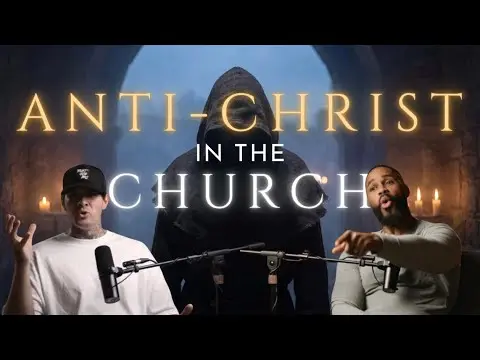
The August 24, 2025 conversation on God’s Voice Today gives that illustration room to matter. Vladimir Prokhnevskiy allows Wyatt to develop a long testimony and his understanding of spiritual influences in contemporary culture. After so much warning, the host asks what a listener can actually do. The answer brings the scale down to a bus stop, a meal, or a request to pray. Another distinctive passage, Wyatt’s account of a heavenly courtroom, brings the question of forgiveness back into a discussion that could otherwise remain dominated by danger.
Starting with the person who needs mercy
Wyatt begins by describing his current work: feeding people, sharing faith, and helping others learn alongside him (01:25). He wants listeners to understand why he approaches people and to consider what they could offer after hearing his testimony.
At 06:56, that purpose acquires a gentler expression. Remembering his own adolescent dependence, he argues that threats alone did not address what he needed. He urges listeners dealing with difficult young people to offer unconditional love. The point concerns how a troubled person is approached. A rule can be clear while the person receiving it still needs someone willing to care.
Wyatt later speaks severely about compromise and judgment. His opening also insists on mercy for someone struggling. Listen to both parts of his teaching. Selecting only the warning or only the reassurance would leave out how he says a troubled person should be approached.
His description of abruptly stopping methadone includes another useful qualification. He says he should have obtained help or gone to detox instead of doing what he did (15:27). The account belongs to his personal history. Its value here is his acknowledgment that determination did not make an unsupported decision wise. The episode does not supply a treatment plan.
The lightbulb explanation that made an excuse feel sacred
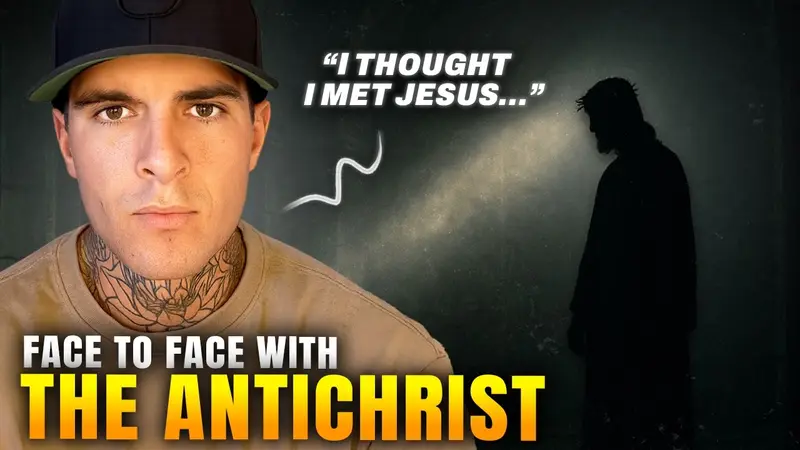
Wyatt describes a voice that he believed was Jesus during a period when he says he was sober and rebuilding his work. According to his account, the voice seemed to support helpful encounters, then claimed credit for them (37:27; 40:15). He wonders whether even those circumstances were arranged to deceive him. Looking back, he questions the reassurance that once seemed decisive.
The distinctive explanatory scene comes at 41:35. Wyatt says he was shown an immense source of light and a string of lightbulbs. The voice identified him with one bulb and God with the source, then told him that being connected made him, in a sense, divine. It followed this with an explanation that collapsed different forms of love into a single source of ecstasy (42:59).
Wyatt says the explanation of belonging made conduct he now rejects easier to justify. He believed his connection with God gave him a special identity. In his telling, that belief weakened boundaries rather than making him more responsible for what he did.
Wyatt also names the harm he caused. He says he used Christian language to win people’s trust while pursuing lust (48:08). His testimony does not excuse that dishonesty. The question is whether a comforting explanation strengthens responsibility or makes harmful behavior seem privileged and permissible.
The lightbulb image comes before the later demands in Wyatt’s account. He says it reassured him that he belonged to something immense. He then used that reassurance to justify harm. Consider what an explanation permits after it has made someone feel loved or important.
Warning becomes meaningful when it changes the next action
Beginning at 1:14:57, Wyatt extends his personal account into an interpretation of entertainment, social media, national life, and spiritual compromise. Revelation 17 shapes the warnings he shares (1:17:11). He sees connections between the ritual he describes in his testimony and patterns he believes operate across society.
Wyatt reads those cultural patterns through Revelation 17 and his testimony of spiritual deception. His concern is with repeated choices: what people seek, excuse and gradually come to value. Bring the scale back to your own day as you listen. Which habits receive your attention most readily, and which people are easy to keep postponing while you discuss the state of the wider world?
The conversation becomes more concrete when he names the fruits he expects of faith. He contrasts claims of spiritual strength with anger, habitual compromise, and an unwillingness to approach people who need help (1:34:46; 1:37:16). He invokes feeding Jesus’ sheep and carrying a cross as responsibilities that should become visible in conduct. His emphasis is on belief expressed through care.
At 1:44:36, Vladimir recalls deciding to pray for a person each day while working in a hospital. He says he later became more passive in ministry circles because he no longer encountered people in the same way. His example asks whether church activity is taking the place of contact with those it aims to serve.
Review where you actually meet people. Vladimir’s hospital work brought him into contact with someone to pray for; his later surroundings changed that. Your schedule may also have lost a setting where you once listened to needs or offered help. Consider whether you can restore that contact.
Tools follow a willingness to get to work
At 1:45:59, Wyatt suggests beginning with something as small as telling a person at a bus stop that Jesus loves them. He then offers the jobsite illustration. The shoe makes a poor hammer, but the attempt demonstrates that the person wants to contribute. In his teaching, spiritual gifts and greater capacity follow a willingness to serve.
The picture gives a nervous beginner permission to start. Greater confidence may follow, but the first act can stay modest: greet a person, ask whether prayer would be welcome or offer help you can provide. You control the care you bring to the meeting. Give the other person room to decide how to respond, and let that freedom be part of what makes the encounter considerate.
Vladimir connects the discussion with his own habit of putting a commitment on a calendar (1:47:23). He describes the discipline involved in starting his podcast. Wyatt’s construction image and Vladimir’s calendar commitment meet at the same practical problem. Their shared concern is the distance between wanting to do something and arranging life so that it happens.
A sensible first application is bounded. Name one opportunity, choose a short and honest opening, and ask before offering prayer. Wyatt himself includes asking permission in his example with a waiter near the close (2:19:31). The aim is a real encounter, with room for the other person to answer freely, without pressure to make the speaker feel successful.
Forgiveness that can face what happened
The construction illustration concerns beginning despite a lack of tools. The courtroom story that follows concerns forgiveness after failure. Wyatt uses them to address different reasons a person might hesitate to serve: feeling unprepared or believing their past leaves them unable to help.
At 2:02:39, Wyatt describes a heavenly courtroom vision. In his account, demons accuse a man by pointing to harmful speech. God answers through the suffering of his Son and the man’s love for Jesus. Wyatt tells this as a vision he experienced. Wyatt shares the vision to speak about Christ’s forgiveness while taking the harm of careless words seriously.
Wyatt’s vision includes an accusation about harmful speech and an answer he identifies with Christ’s sacrifice. In his teaching, forgiveness does not require saying the conduct was harmless. Listen to that account alongside the earlier warnings about words, which emphasize responsibility without the same extended discussion of mercy.
The scene returns responsibility to the person without making mercy disappear. If your words have harmed someone, acknowledging that harm is part of beginning again. Wyatt’s vision does not ask him to pretend the words were harmless. His account of forgiveness instead gives him a reason to imagine a life beyond them. Consider one conversation you could repair, then make the repair as concrete as the harm allows.
The episode’s length gives listeners a choice about where to focus. The shoe illustration is useful if hesitation has kept you from starting. The courtroom account may matter more if accusation is what holds you back. The later lunch conversation brings both concerns to an ordinary setting. You can begin small, receive mercy and offer it to someone without waiting to have a dramatic story of your own.
A meal can say what a rebuke cannot
Near 2:15:29, Wyatt describes a change in his approach to people he once confronted. Instead of beginning by insisting on their repentance, he says he now offers affection, conversation, and lunch. At 2:16:50, he explains mercy as necessary to the relationship through which he hopes people will encounter Jesus. His convictions have not disappeared; the manner of approaching another person has changed.
The meal recalls Wyatt’s opening advice about care for struggling young people. Between those passages, he gives extensive cultural warnings. His later example explains the response he wants: approach someone, listen, and offer help. Suspicion or denunciation alone would leave out that instruction.
The meal is also a check on the severity of his warnings. Lunch requires time with a person, attention to what they say and a willingness to share something tangible. Sharing a meal gives him time to put that care into practice. Before the next rebuke you feel ready to deliver, consider whether there is an offer of care you are equally ready to make. Wyatt’s changed approach asks him to bring both seriousness and mercy into the encounter.
Listen to the original God’s Voice Today episode for Vladimir’s practical question and Wyatt’s reply. The worker with a shoe is one illustration; the waiter and lunch examples show the approach he asks listeners to try. Choose an offer you can make honestly, and let the person decide whether to accept it.
Notes from the conversation
- Wyatt uses a shoe as an improvised hammer to explain why a person can begin serving with what they have (1:45:59).
- His account of a heavenly courtroom places Christ's forgiveness beside the harm he believes speech can cause (2:02:39).
- Vladimir remembers finding more opportunities to pray for people during hospital work than after entering ministry circles (1:44:36).
Video moments
- 6:56Unconditional care for a struggling young personYouTube ↗
- 15:27He acknowledges that abrupt withdrawal called for helpYouTube ↗
- 41:35Wyatt recalls an explanation using light and lightbulbsYouTube ↗
- 1:05:58Song of Songs enters the tattoo-shame accountYouTube ↗
- 1:14:57Wyatt turns from his testimony to a cultural warningYouTube ↗
- 1:44:36Vladimir remembers daily prayer during hospital workYouTube ↗
- 1:45:59A shoe, a hammer, and a reason to beginYouTube ↗
- 2:02:39Wyatt's courtroom vision of accusation and forgivenessYouTube ↗
- 2:15:29Wyatt describes offering lunch and friendshipYouTube ↗
- 2:19:31A greeting or an invitation to prayer as a first stepYouTube ↗
Scripture mentioned
- Song of Songs 4:4
- Revelation 17
- Luke 14:26–27
- John 21:15–17
- Isaiah 52:14
- Isaiah 53
This recording belongs to God’s Voice Today. Wyatt joins as a guest. The link above takes you to the original episode.